A Lasting Academic Legacy
The Curriculum
Alongside the teacher seminars, WTAMU and TSU are building a four-course, Founders-based civics sequence at the undergraduate level, intended as a lasting academic legacy of the 250th year. The courses build on one another, moving from the roots of political thought to the American founding, to the contest over rights and citizenship, and finally to the challenges of our own century.
The Four-Course Sequence
Developed by Dr. Luis Pérez-Feliciano · Engaged for Courses 1 & 2
Plato, Aristotle, Cicero, Augustine, Aquinas, Machiavelli, Hobbes, Locke, Rousseau, and Montesquieu — the enduring questions of justice, law, liberty, virtue, and the purpose of government that formed the philosophical context of the American Founding.
Capstone
A comparative political theory essay analyzing how a key founding concept — such as the separation of powers or natural rights — emerged from earlier traditions.
Developed by Dr. Luis Pérez-Feliciano · Engaged for Courses 1 & 2
The founding era in focus: the Declaration, the Constitution, and the Federalist–Anti-Federalist debates. The Convention, ratification, the Bill of Rights, federalism, separation of powers, and the unresolved questions of slavery and rights at the founding.
Capstone
An argumentative paper applying founding-era principles to a contemporary constitutional question, such as federal versus state power.
Developed by Dr. Mark P. Jones · Rice University, Senior Research Fellow
How American ideals have been contested and expanded — from the Civil War and abolition to Reconstruction and the 14th Amendment, women's suffrage, and the civil rights movement. Tocqueville, Lincoln, Douglass, Anthony, King's Letter from Birmingham Jail, and landmark cases including Brown v. Board.
Capstone
A reflective civic-action proposal: identify a contemporary community issue and propose a response, linking it to historical struggles for justice.
Developed by Dr. Mark P. Jones · Rice University, Senior Research Fellow
Originalism versus living constitutionalism; technology, social media, and free speech; polarization; the administrative state; federalism in public-health debates; religious liberty; and recent Supreme Court decisions. The skills of civic reasoning, dialogue, and leadership.
Capstone
A civic leadership capstone — a community project, policy initiative, or advocacy campaign presented at a public forum or symposium.
Faculty
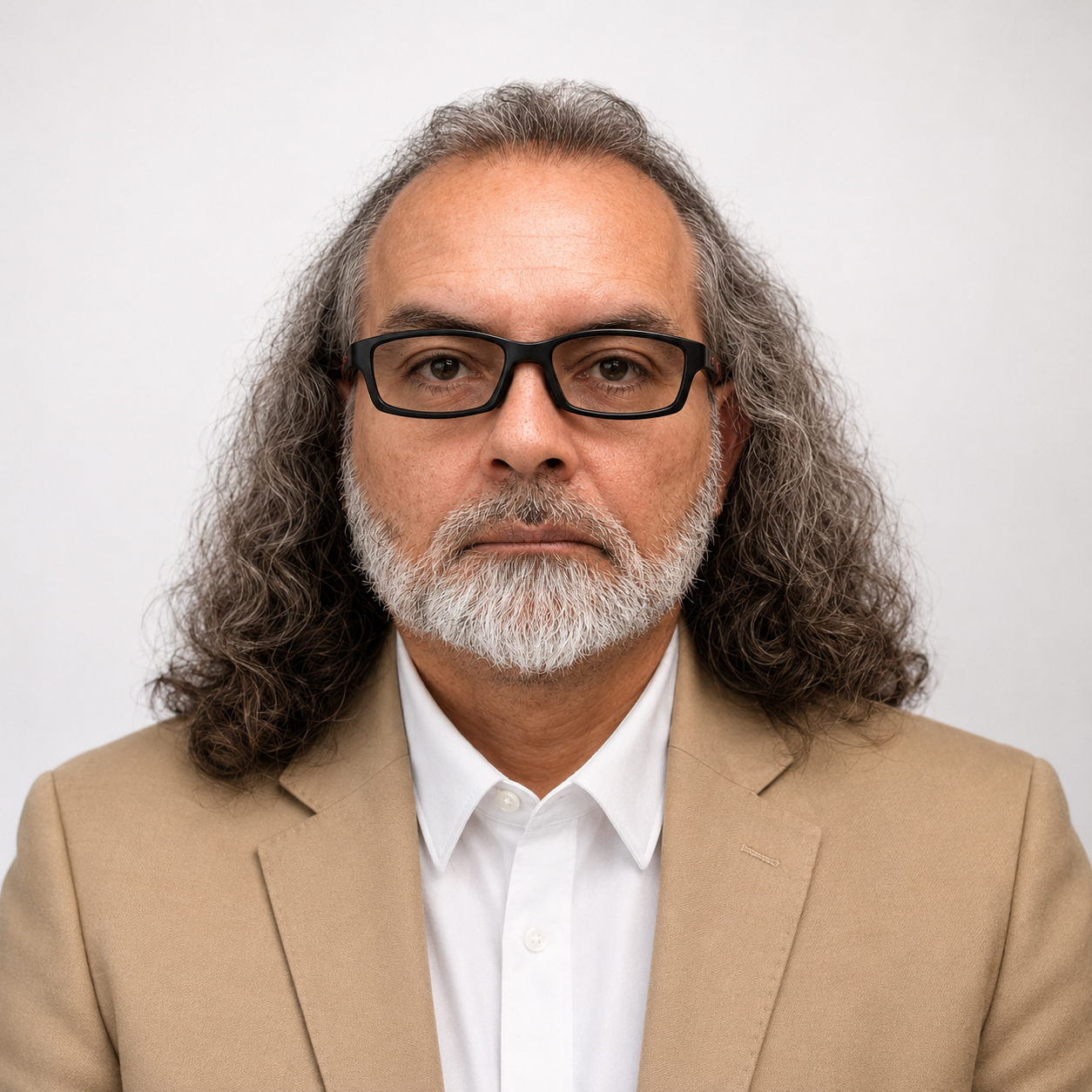
Dr. Luis Pérez-Feliciano
Engaged for Courses 1 & 2
Developed the roots of political thought and the American founding courses.
Dr. Luis Pérez-Feliciano was engaged to develop Courses 1 and 2 of the four-course civics sequence, tracing the roots of Western political thought from Athens to the Enlightenment through the American Founding and Constitutional Government. [Full biography pending final copy.]
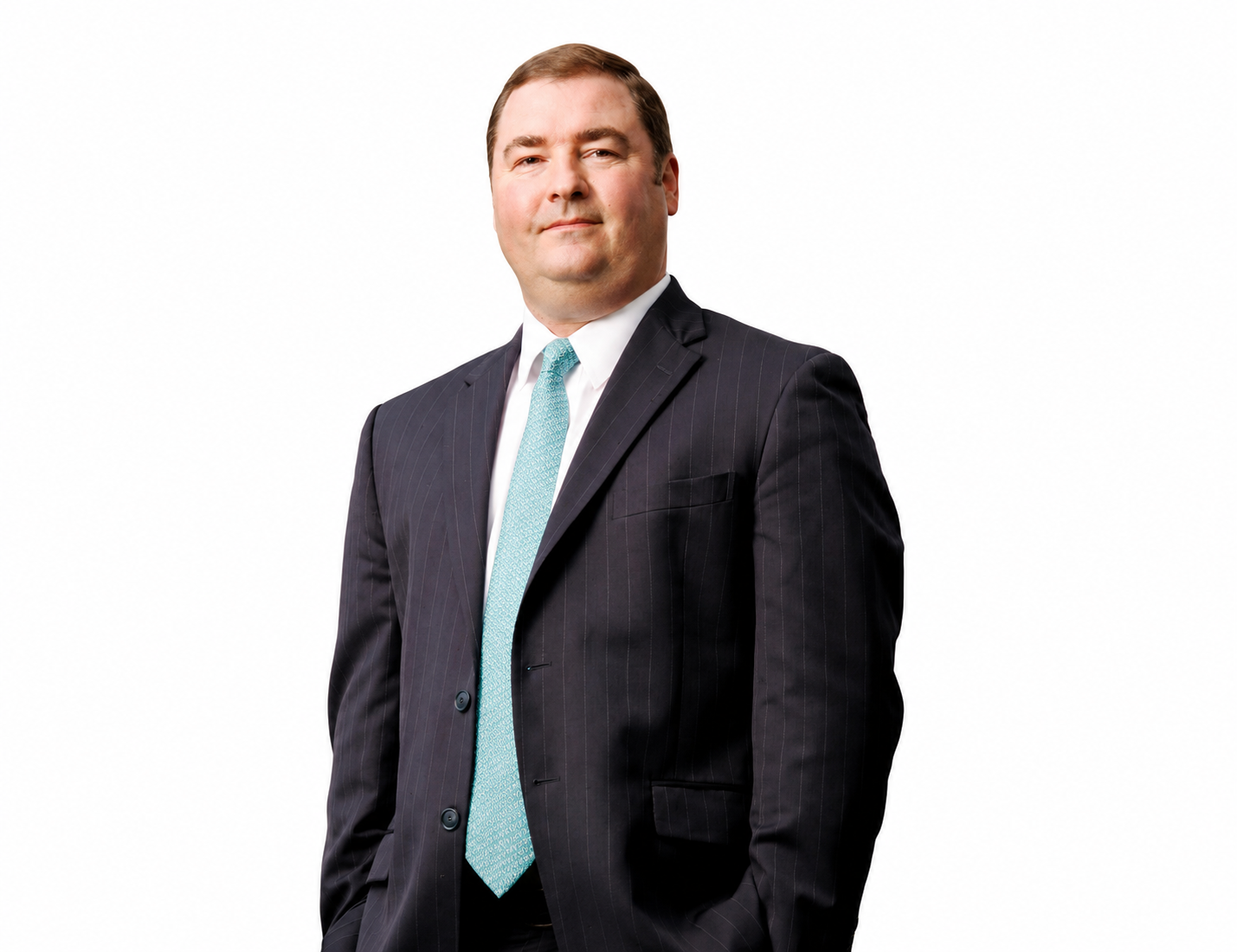
Dr. Mark P. Jones
Rice University · Senior Research Fellow (contracted)
Developed the expansion of rights and the challenges of our own century courses.
Dr. Mark P. Jones is contracted as Senior Research Fellow for The American Civic Tradition at 250. Based at Rice University, he developed Courses 3 and 4 of the four-course civics sequence, covering the expansion of citizenship and rights and the constitutional challenges of the 21st century. [Full biography pending final copy.]
The Teacher Cohort & Seminars
- teachers over three years (75 urban · 75 rural)
- 150teachers over three years (75 urban · 75 rural)
- undergraduate Civic Fellows (50 TSU · 50 WTAMU)
- 100undergraduate Civic Fellows (50 TSU · 50 WTAMU)
- commitments each teacher makes this year
- 2commitments each teacher makes this year
The program asks two things of each teacher over the year: to take part in the seminars, which include a summer institute and regular sessions through the academic year, and to produce a redesigned civics unit or classroom project that puts this content to work with their students.
Three Thematic Seminar Tracks
- Track 1 · Year 1
Founding Principles and First Texts
Close reading of the Declaration, the Constitution, and the Federalist–Anti-Federalist debates, with simulations of Convention-era arguments.
- Tracks 1–2 · Years 1–2
American Civic Traditions in Struggle and Reform
Slavery and emancipation, suffrage, civil rights, and the major reform movements — with case studies and site-based learning across Houston.
- Track 3 · Years 2–3
Civic Agency and the Future of Democracy
Media literacy, polarization, civil discourse, and the classroom capstone projects that each cohort teacher completes.
Format
A blend of in-person and virtual: a summer institute held at TSU, followed by biweekly to monthly virtual sessions and mentoring through the academic year, plus regional roundtables in Houston and Canyon, and online forums connecting both cohorts.
Deliverable
By the end of the grant year, each teacher completes a redesigned civics unit or project ready for the classroom.
What Texans Think About Civics Education
- say a civics class should be required in public schools.
- 91%
say a civics class should be required in public schools.
- support requiring students to pass a civics test to graduate — 89% of Republicans and 76% of Democrats.
- 81%
support requiring students to pass a civics test to graduate — 89% of Republicans and 76% of Democrats.
- say it is very important that students understand the Declaration, the Constitution, and the responsibilities of citizenship before graduation.
- 79%
say it is very important that students understand the Declaration, the Constitution, and the responsibilities of citizenship before graduation.
- say teaching the founding ideas of liberty and equality is very important for the country's future.
- 78%
say teaching the founding ideas of liberty and equality is very important for the country's future.
- believe Texas should spend more on civics education in its K-12 schools.
- 59%
believe Texas should spend more on civics education in its K-12 schools.
- of parents rate their own child's school's civics instruction as excellent.
- 25%
of parents rate their own child's school's civics instruction as excellent.
Texans overwhelmingly want strong civics education, yet only a quarter of parents believe their schools are delivering it. That gap is the work in front of this program.
Source: Barbara Jordan Public Policy Research and Survey Center, The State of Public Opinion on K-12 Civics Education in Texas, May 2026. YouGov survey of 1,706 Texas registered voters, April 22 – May 6, 2026 · ±2.37% margin of error. Authored by Michael O. Adams and Mark P. Jones.
Educational Resources
Syllabi, slide decks, and primary source sets are added throughout the grant. Filter by course to find materials for a specific part of the sequence.
Showing 6 resources · filter: All
- PDF Guide
Teacher Cohort Orientation Guide
The full orientation packet for the founding Houston cohort.
General
- Slide Deck (PPTX)
Orientation Slides — Teacher Cohort Kickoff
Presentation slides from the June 2026 kickoff session.
General
- PDF SyllabusComing Soon
Course 1 Syllabus — Foundations of Western Political Thought
Course 1
Not yet available - PDF SyllabusComing Soon
Course 2 Syllabus — The American Founding and Constitutional Government
Course 2
Not yet available - PDF SyllabusComing Soon
Course 3 Syllabus — Citizenship, Rights and Civic Responsibility
Course 3
Not yet available - PDF SyllabusComing Soon
Course 4 Syllabus — Constitutionalism and Civic Leadership in the 21st Century
Course 4
Not yet available